
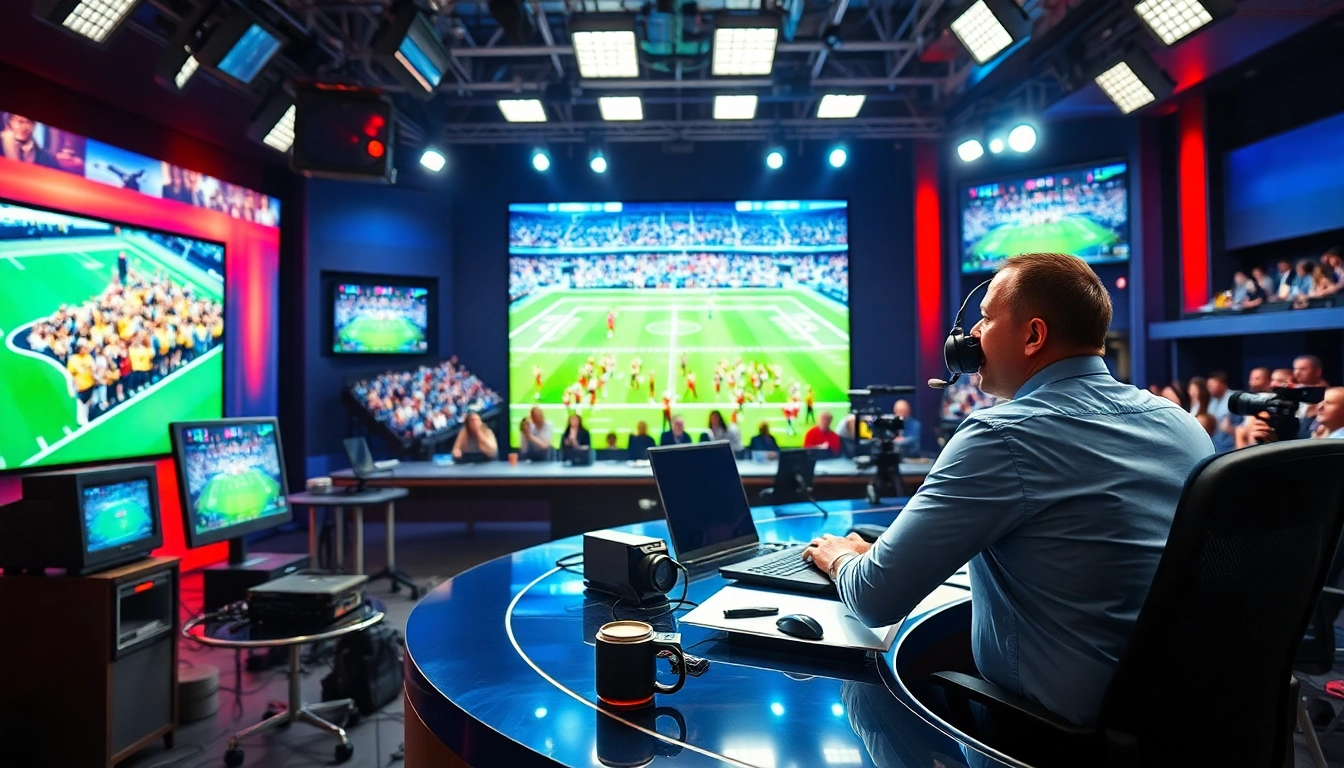
Understanding Sports Broadcasting Basics
What is Sports Broadcasting?
Sports Broadcasting refers to the dissemination of sporting events via various media, such as television, radio, and digital platforms. This field encompasses live telecasts, highlights, commentary, analysis, and post-game coverage. In essence, it serves to bring the excitement of live sports to fans across the globe. With the rise of streaming services, the landscape of Sports Broadcasting has evolved, providing consumers with unprecedented access to their favorite sports, teams, and athletes. The intricate relationship between media corporations, sports leagues, and the audience is pivotal to understanding the dynamics of this industry. For those wishing to explore the nuances and intricacies of the field, Sports Broadcasting offers insights into both historical and modern perspectives.
Key Roles in Sports Broadcasting
Several key roles contribute to the success of Sports Broadcasting. Each position plays a crucial part in ensuring that the audience receives high-quality content that is both entertaining and informative. Below are some of the primary roles in this industry:
- Commentators: The voice of thrilling moments, commentators provide real-time play-by-play descriptions of events while adding their insights and personality to the broadcast.
- Producers: Responsible for the overall narrative, producers coordinate the broadcast’s timing, flow, and content, ensuring all elements come together seamlessly.
- Directors: Directors guide the visual storytelling, making decisions on camera angles, graphics, and transitions to depict the action live to viewers.
- Camera Operators: With an eye for detail, camera operators capture the events in real-time, ensuring viewers feel immersed in the action.
- Editors: After the live broadcast, editors may compile highlights, footage for social media, or full replays for viewers who missed the live action, providing additional value.
The Evolution of Sports Broadcasting
The evolution of Sports Broadcasting has been shaped by technology, consumer preferences, and industry practices. Initially, broadcasts began in the early 20th century with simple radio coverage. Over the decades, the transition to television brought sports to homes, enhancing the visual experience. Innovative technologies like instant replays and digital graphics dramatically changed the consumer experience. Today, the rise of streaming services, eSports, and viewer interactivity are reshaping how events are consumed, highlighting a shift toward personalized and on-demand content.
Essential Tools for Successful Sports Broadcasting
Broadcasting Equipment Overview
Successful sports broadcasts rely on an array of specialized equipment designed to deliver high-quality audio and visual experiences. Key components include:
- Cameras: High-definition cameras are essential for capturing live events. Multi-camera setups allow for a more dynamic viewing experience with diverse angles.
- Microphones: Wireless and lapel microphones ensure clear audio from commentators and athletes, crucial for conveying the excitement of the event.
- Video Switchers: These devices allow directors to switch between multiple camera feeds swiftly, a critical aspect of live broadcasting.
- Graphics Systems: On-screen graphics provide viewers with additional information, such as statistics, score updates, and player information, enhancing the viewing experience.
Software and Technologies in Sports Broadcasting
The back-end technologies and software used in Sports Broadcasting have significantly advanced, offering broadcasters a range of tools to manage content and engage audiences. For instance, broadcast automation software facilitates the scheduling and integration of various media elements such as graphics, advertisements, and video clips. Additionally, cloud technologies enable broadcasters to manage assets remotely and collaborate in real-time, allowing for more efficient workflows.
Remote Broadcasting Solutions
Remote broadcasting has gained traction, especially in light of recent global events. Videoconferencing tools, IP streaming solutions, and mobile broadcast kits enable teams to produce live broadcasts from different locations. This not only reduces costs but also allows coverage of events that may be inaccessible due to travel restrictions or logistical challenges.
Techniques for Effective Sports Reporting
Creating Compelling Commentary
Commentary is at the heart of Sports Broadcasting, providing context, excitement, and engagement for viewers. Effective commentators possess deep knowledge of the sport, allowing them to anticipate events and deliver insights that enhance viewer understanding. They utilize storytelling techniques, bringing narratives to life, whether it’s a player’s past struggles or the significance of a thrilling finish.
Engaging with the Audience During Events
Engagement is a vital part of broadcasting sports. Commentators and hosts often interact with fans in real-time through social media, polls, and live chats, creating a community around the viewing experience. This interaction fosters loyalty and allows audiences to feel they are a part of the event, enhancing the excitement and connection to teams and athletes.
Utilizing Social Media for Enhanced Coverage
Social media platforms are powerful tools for extending reach and engaging audiences. Broadcasters can share highlights, behind-the-scenes content, and live updates, creating a multifaceted narrative that complements traditional broadcasting. By leveraging social media, broadcasters can connect with younger demographics, who may prefer digital content over traditional television.
Challenges in the Sports Broadcasting Industry
Adapting to Changing Viewer Preferences
The sports landscape is constantly evolving, and broadcasters must adapt to changing viewer preferences. Younger audiences often gravitate towards shorter, more engaging snippets of content, preferring highlights over full games. This shift requires broadcasters to innovate their content delivery and marketing approaches to maintain viewership and relevance.
Maintaining Broadcast Quality
Maintaining high broadcast quality is essential, as poor production can lead to viewer dissatisfaction. Technical failures, for instance, can result in missed plays or audio issues that frustrate audiences. Therefore, investing in high-quality equipment and training staff in best practices is vital. Regular equipment maintenance and testing are necessary to ensure smooth operations during live broadcasts.
Navigating Sports Broadcasting Rights Issues
Broadcasting rights are a significant concern within the sports industry. Securing the right to broadcast certain events requires negotiation and understanding of legal frameworks. Broadcasters must navigate complex contracts with leagues, teams, and players to ensure compliance while maximizing their broadcasting reach. This is increasingly important as new platforms and distribution methods proliferate.
Future Trends in Sports Broadcasting
The Impact of Streaming Services
Streaming services have revolutionized the viewing habits of sports fans, providing flexible watching options and personalized content. These platforms often host exclusive events, attracting audiences who prefer on-demand viewing rather than scheduled broadcasts. This trend compels traditional broadcasters to form partnerships or develop their own streaming options to stay competitive in this rapidly changing landscape.
Advancements in Live Broadcasting Technology
Technological advancements such as 5G connectivity and augmented reality (AR) are set to change the way sports are broadcasted. 5G enables high-quality streaming with minimal latency, while AR offers immersive experiences that can engage viewers like never before. Sports Broadcasting will likely incorporate these technologies to create a more interactive viewing experience that allows fans to feel closer to the action.
Emerging Formats and Audience Engagement
As audiences continue to demand personalized experiences, new broadcast formats like “watch parties” and interactive viewing options are emerging. These allow fans to engage with each other during live events, fostering a sense of community. Furthermore, gamification elements are being explored, merging sports viewing with interactive gaming to attract younger audiences and increase engagement.
Frequently Asked Questions
What skills are essential for a sports broadcaster?
Essential skills include strong communication, in-depth knowledge of sports, the ability to engage audiences, and comfort with technology and broadcasting equipment.
How have streaming services changed sports broadcasting?
Streaming services have provided flexible, on-demand viewing options, allowing audiences to consume sports content anytime, changing how broadcasts are produced and consumed.
What are broadcast rights and why are they important?
Broadcast rights are legal permissions to air events. They are crucial for revenue generation and can significantly impact viewership numbers and audience reach.
What role does social media play in sports broadcasting?
Social media enhances audience engagement by providing additional content, fostering community interaction, and allowing immediate feedback during live events.
What trends are shaping the future of sports broadcasting?
Key trends include the rise of streaming services, advancements in live technology, personalized viewing experiences, and increased audience interactivity through new formats.