
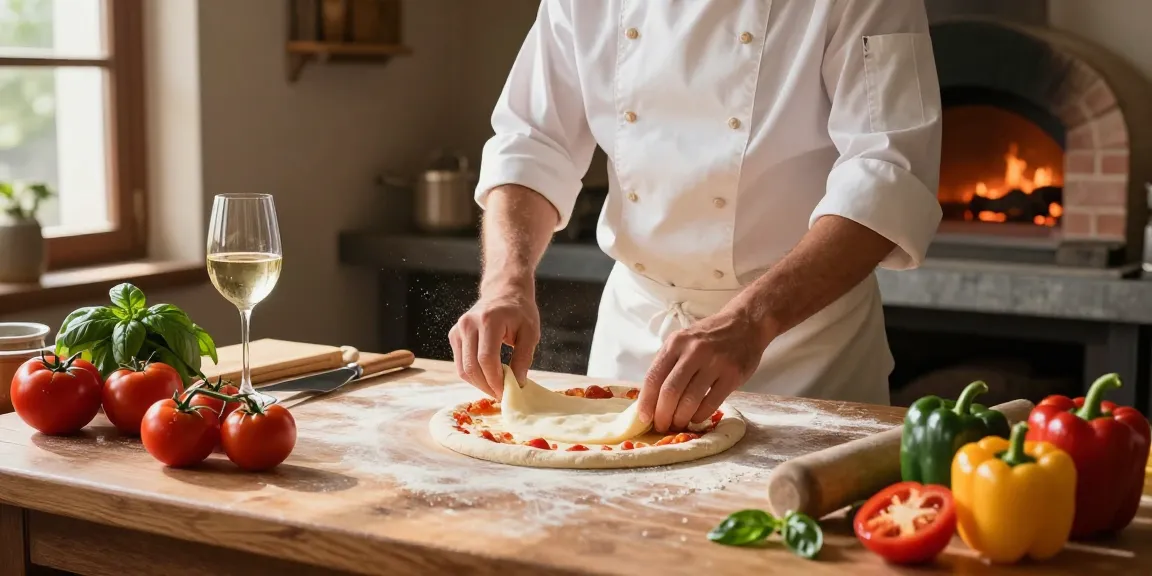
Understanding pg soft: The Foundation of Italian Cuisine
When it comes to Italian cuisine, few dishes resonate as profoundly as pizza. Known for its rich history and cultural significance, pizza is not just a meal; it reflects the very essence of Italian heritage. The term pg soft refers to the soft, flavorful pizza dough that forms the base of this beloved dish. Understanding its preparation, variations, and significance is crucial for anyone looking to delve deeper into Italian culinary traditions.
What is pg soft?
Pg soft describes a style of pizza dough characterized by its pliability and softness. Made with high-protein flour, water, yeast, and salt, this dough achieves a unique texture that allows for flexibility while still offering a satisfying bite. The fermentation process is essential; it not only enhances flavor but also contributes to the dough’s ability to rise and create a light, airy crust. In essence, the quality of the dough determines the overall success of the pizza.
Cultural Significance of Pizza in Italian Society
Pizza is a staple of Italian cuisine and has become a symbol of Italy worldwide. In Italy, pizza is often enjoyed during social gatherings, celebrations, and casual dinners. It embodies conviviality and the joy of sharing. The Neapolitan style, recognized by the European Union as a traditional specialty, emphasizes the importance of local ingredients and preparation methods, highlighting the deep-rooted passion Italians have for their culinary traditions.
Key Ingredients that Make Italian Pizza Unique
The uniqueness of Italian pizza lies in its carefully selected ingredients. Authentic Neapolitan pizza typically includes San Marzano tomatoes, which balance sweetness and acidity, and mozzarella di bufala, known for its creamy texture. Fresh basil and high-quality olive oil further enhance the flavors, creating a harmonious blend of tastes that is both simple and delicious.
Essential Techniques for Perfect Pizza Preparation
Mastering the preparation of pizza requires understanding various techniques that ensure authenticity and flavor. Each step, from making the dough to baking, plays a vital role in the final product. For those interested in exploring these aspects further, pg soft provides comprehensive insights into techniques and recipes that can elevate your pizza-making skills.
Mastering Dough Making: Tips and Tricks
Creating the perfect pizza dough begins with choosing the right flour. High-gluten flour yields a chewier crust, while all-purpose flour results in a softer texture. Mixing the ingredients properly and allowing for adequate kneading and fermentation are crucial steps. Many chefs recommend letting the dough rest for several hours, or even overnight, to develop the flavors fully. Patience is key in this process.
Choosing the Right Sauce: Tomato Varieties Explained
The sauce is another crucial aspect of pizza preparation. Authentic Italian pizza uses simple tomato sauce made from high-quality tomatoes, such as San Marzano or Roma. These varieties are praised for their natural sweetness and rich flavor. Utilizing fresh, canned, or puréed tomatoes, combined with a few essential seasonings, can create a sauce that perfectly complements the dough.
Perfecting Baking: Oven Types and Temperature Control
When it comes to baking, a hot oven is essential. Traditional wood-fired ovens can reach temperatures of up to 900°F (480°C), allowing pizzas to cook quickly, resulting in a beautifully charred crust. Home cooks can achieve similar results by using pizza stones in standard home ovens, preheated to their highest settings. Monitoring the bake time is critical; typically, a pizza should take only about 90 seconds to 2 minutes in a wood-fired oven.
Exploring Different Styles of Pizza
Italian pizza is diverse, reflecting the various regions from which it hails. Understanding these styles offers insight into the complexities of Italian cuisine.
Neapolitan vs. Roman: What’s the Difference?
Neapolitan pizza is characterized by its soft, pliable crust, while Roman pizza boasts a thinner, crispier base. The cooking technique also varies; Neapolitan pizzas are typically cooked at higher temperatures for shorter periods, resulting in a chewy texture. Conversely, Roman pizzas are often baked longer at lower temperatures, yielding a crunchier result.
Regional Varieties Across Italy
Each region in Italy has its unique take on pizza. In Sicily, for example, pizzas are often square and thicker, with a robust sauce and a variety of toppings. Similarly, in Liguria, focaccia-style pizzas are popular, showcasing local herbs and olive oil. Understanding these regional differences is essential for any pizza enthusiast.
Modern Takes on Classic Recipes
With the rise of culinary innovation, many chefs are experimenting with traditional pizza recipes. From gluten-free crusts to unconventional toppings like figs and prosciutto, modern pizzerias are pushing the boundaries while still respecting traditional techniques. This blend of old and new creates exciting opportunities for pizza lovers to explore.
Pairing Drinks with Your Pizza Creations
The right drink can enhance the pizza experience significantly. Whether opting for traditional Italian beverages or local craft options, pairing drinks with pizza requires a nuanced understanding of flavors.
Wine Pairings for Optimal Flavor
Italian wines are the perfect accompaniment to pizza. A light Chianti or a crisp Pinot Grigio can complement the flavors of the dish beautifully. The acidity in the wine can balance the richness of the cheese, while fruity notes can enhance the flavor of the tomato sauce. Understanding regional pairings can further elevate the dining experience.
Craft Beer Choices to Enhance Your Meal
In recent years, craft beer has gained popularity as a pizza pairing. The malty richness of certain beers can offer a nice contrast to the pizza’s acidity. IPAs, with their hoppy bitterness, can also work well alongside spicy toppings, while stouts can stand up to rich, cheesy pies.
Non-Alcoholic Options that Complement Pizza
For those who prefer non-alcoholic beverages, there are many delightful options. Sparkling water with a slice of lemon can cleanse the palate, while herbal teas can provide a unique flavor contrast. Experimenting with various juices can also bring an interesting dimension to the meal.
Future Trends in the Pizza Industry (2026 and Beyond)
As the culinary landscape evolves, so does the pizza industry. Staying abreast of upcoming trends can help pizzerias adapt and thrive in a competitive market.
Health Trends Influencing Modern Pizza Menus
Health-conscious consumers are increasingly seeking options that align with their dietary preferences. Gluten-free crusts, plant-based toppings, and low-calorie sauces are becoming more prevalent. Pizzerias aiming to cater to these trends can expand their offerings while maintaining the essence of traditional pizza.
Technology in Pizza Delivery and Preparation
The rise of technology has transformed the pizza industry. From online ordering systems to automated ovens, these advancements can enhance efficiency and customer satisfaction. More pizzerias are also utilizing delivery apps, streamlining the ordering process for a better customer experience.
Sustainable Practices in Pizza Production
As environmental consciousness grows, sustainability has become a key concern in pizza production. Sourcing local ingredients, minimizing waste, and utilizing eco-friendly packaging are practices that many restaurants are adopting to appeal to environmentally aware consumers.
What are the main types of pizza found in Italy?
There are several distinct types of pizza in Italy, including Neapolitan, Roman, Sicilian, and Ligurian, each with unique characteristics and flavors that reflect local traditions.
How can I replicate the taste of authentic Italian pizza at home?
To replicate authentic Italian pizza, focus on using high-quality ingredients, mastering dough-making techniques, and ensuring your oven reaches the right temperature.
What are the best ingredients for homemade pizza?
Key ingredients include high-protein flour, fresh tomatoes, quality mozzarella, and fresh herbs. Choosing the best local ingredients can significantly enhance the flavor of your pizza.
How does cooking style affect pizza flavor?
Cooking style, including temperature and time, greatly influences the flavor and texture of the pizza. High temperatures create a crispy crust, while longer cooking times may yield a chewier texture.
What are the latest pizza trends for 2026?
Trends for 2026 include health-focused pizza options, innovative ingredient pairings, and technological advancements in pizza preparation and delivery systems.
